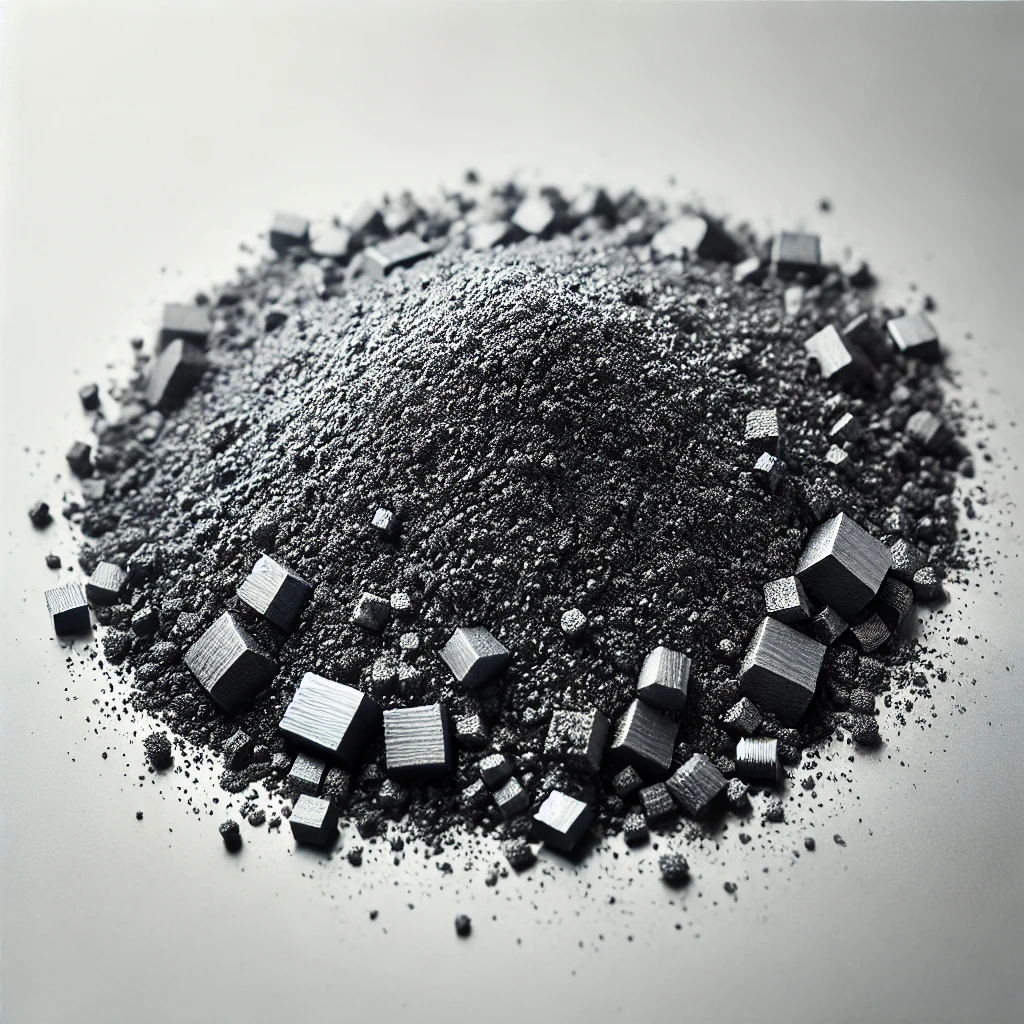
Tungsten
Tungsten is a chemical element with the symbol W and atomic number 74. It is a transition metal and has a wide range of applications due to its unique properties.
High Melting Point: Tungsten has one of the highest melting points of all elements at around 3,422 degrees Celsius. Because of this high melting temperature, tungsten is often used in applications that require extreme temperature resistance, such as in high-temperature furnaces and aerospace technology.
High Density: Tungsten is one of the densest metals and has a high density of about 19.3 grams per cubic centimeter. This high density makes tungsten a suitable material for applications requiring high mass or weight, such as in armor and ammunition.
Chemical Resistance: Tungsten is highly resistant to chemical corrosion and reacts slowly with oxygen, water, and most acids. This resistance makes tungsten a suitable material for applications where corrosion would be a problem, such as in chemical plants and the electronics industry.
High Tensile Strength: Tungsten is a very strong metal with high tensile strength. It is commonly used in alloys to improve the strength and hardness of materials, such as in tools and high-performance components.
Electrical Conductivity: Tungsten has high electrical conductivity and is therefore frequently used in electrical applications, such as in incandescent lamp filaments, electrodes, and the electronics industry.
Due to its unique properties, tungsten is used in a variety of industries, including metal processing, the electronics industry, the chemical industry, and aerospace.
Our products made of Tungsten
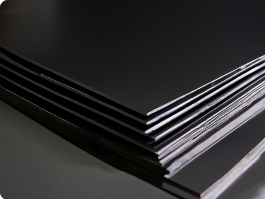
Plate
Our plates stand out for their versatility and durability. Available in various thicknesses and custom-cut upon request.
Sheet Metal
Discover our selection of sheets, available in a variety of sizes. Further custom cuts are available upon request

Foil
Our foils are available in various thicknesses and widths, providing optimal solutions for specific requirements.
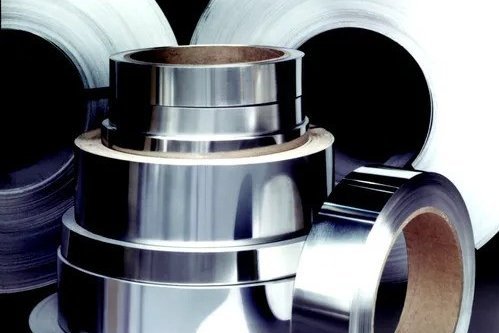
Coil
Discover our range of coils available in various widths and materials. Perfect for a variety of industrial applications, tailored to your needs.
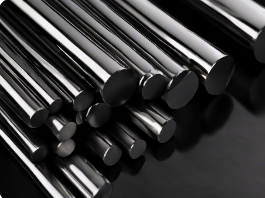
Round Bars
Our round bars are available in various diameters and are ideal for precise machining in industry and craftsmanship.
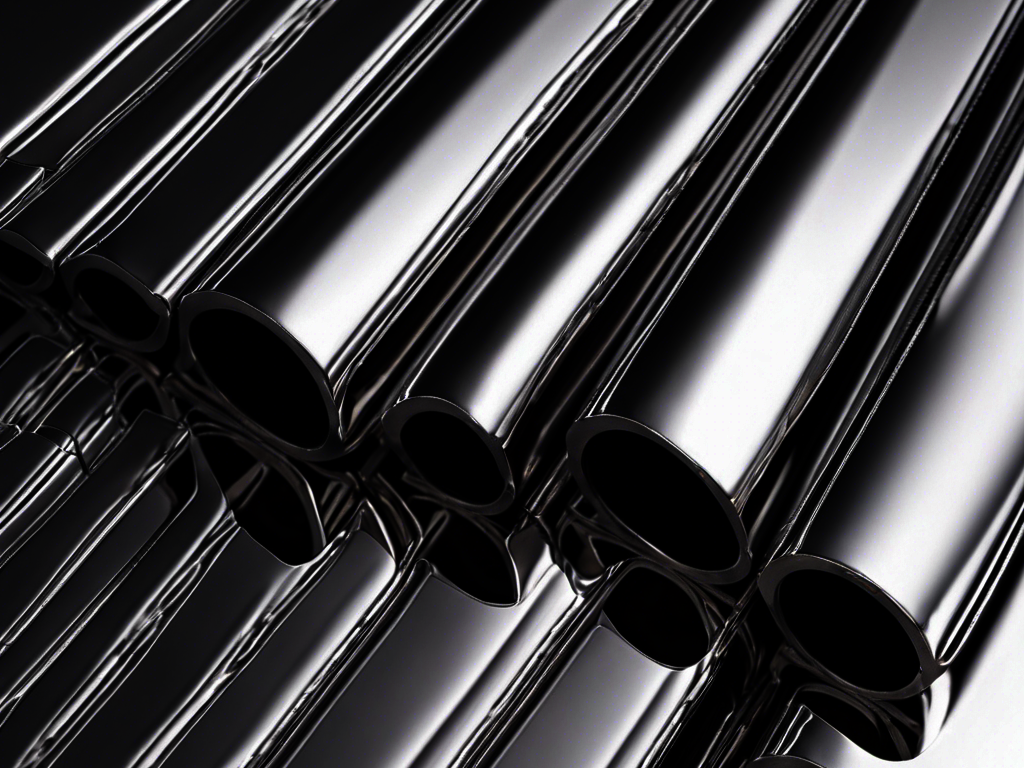
Pipes
We offer high-quality pipes for various applications, available in different sizes and materials. Custom-made options available on request.
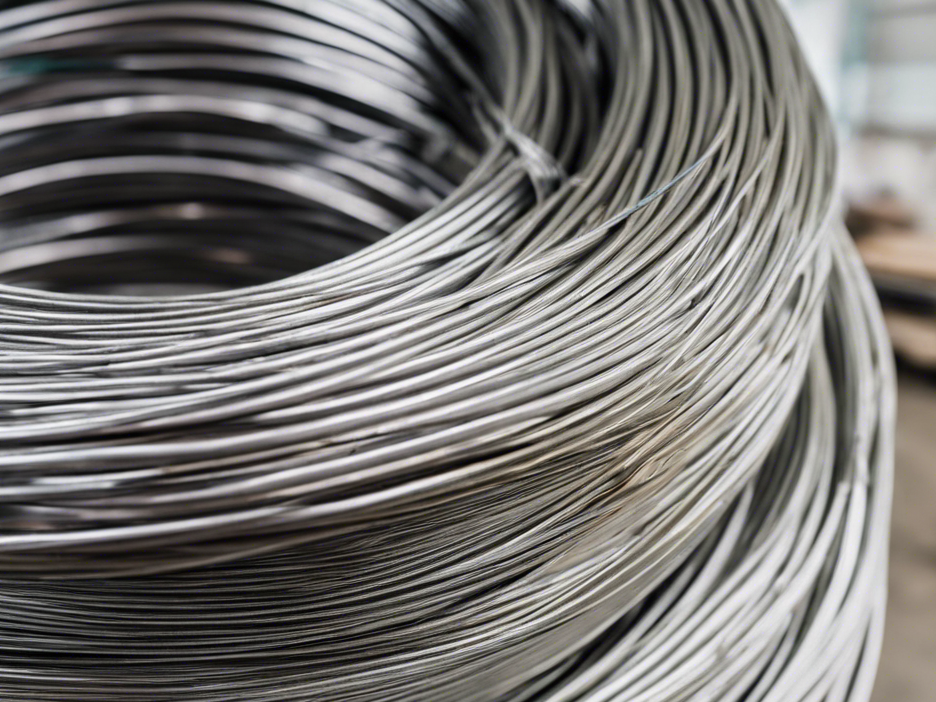
Wire
High-quality wires for numerous applications – flexible, durable, and available in various thicknesses.
Ring
We supply rings made of high-quality material, ideal for industrial and technical applications.

Treasure Box
Our treasure chest features remaining stock – high-quality materials with non-standard dimensions at fixed prices. These items are only available while supplies last and cannot be reordered.