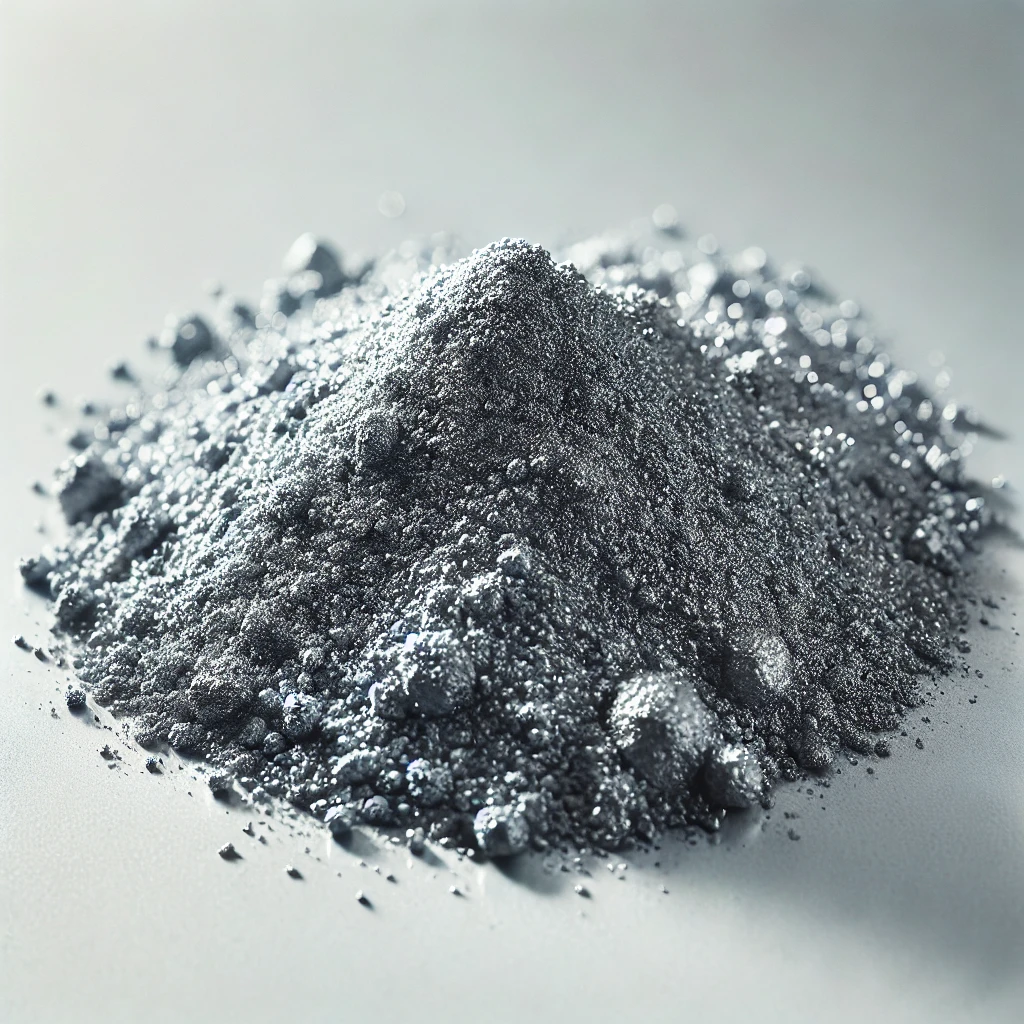
Molybdenum
Molybdenum is a chemical element that belongs to the transition metals group and has the symbol Mo.
Physical Properties: Molybdenum is a silver-white metal with high density. It is very hard and brittle, yet malleable and forgeable. The melting point of molybdenum is around 2,620 degrees Celsius, making it a metal with a high melting temperature.
Chemical Properties: Molybdenum is resistant to most chemical reagents. It does not react with air or oxygen at room temperature. However, at high temperatures, it can react with oxygen to form molybdenum(VI) oxide (MoO3). It also reacts with some acids and bases, such as nitric acid or sodium hydroxide.
Magnetic Properties: Molybdenum is slightly magnetic. This means it has low magnetizability but does not exhibit full magnetic properties.
Electrical Conductivity: Molybdenum is a good electrical conductor. It has a relatively high electrical conductivity, although lower than that of copper or aluminum.
Corrosion Resistance: Molybdenum is highly resistant to corrosion and oxidation. It can remain stable in reactive environments at high temperatures.
High Melting Temperature: The high melting temperature of molybdenum makes it an important material for applications in high-temperature environments. It is often used in high-temperature furnaces, in the aerospace industry, in the production of lighting devices, and in other applications where high temperatures may occur.
Catalytic Properties: Molybdenum is often used as a catalyst in various chemical reactions. It can increase the reaction rate and influence the desired products in certain chemical reactions. These are just some of the important properties of molybdenum. The metal has a wide range of applications in various industries due to its unique properties.
Our products made of Molybdenum
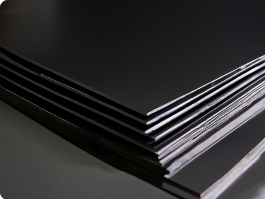
Plate
Our plates stand out for their versatility and durability. Available in various thicknesses and custom-cut upon request.

Sheet Metal
Discover our selection of sheets, available in a variety of sizes. Further custom cuts are available upon request

Foil
Our foils are available in various thicknesses and widths, providing optimal solutions for specific requirements.
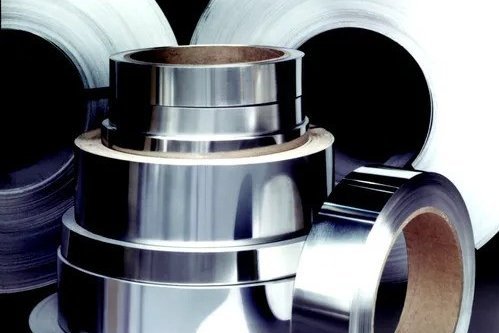
Coil
Discover our range of coils available in various widths and materials. Perfect for a variety of industrial applications, tailored to your needs.
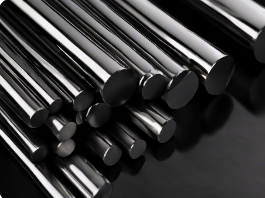
Round Bars
Our round bars are available in various diameters and are ideal for precise machining in industry and craftsmanship.
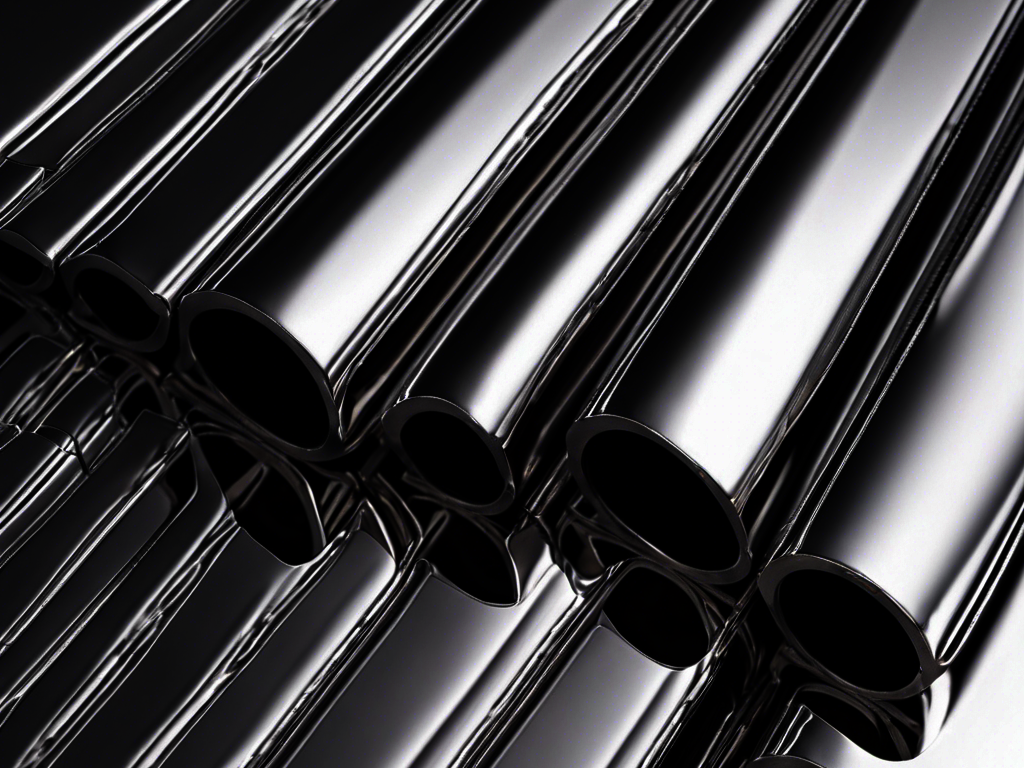
Pipes
We offer high-quality pipes for various applications, available in different sizes and materials. Custom-made options available on request.
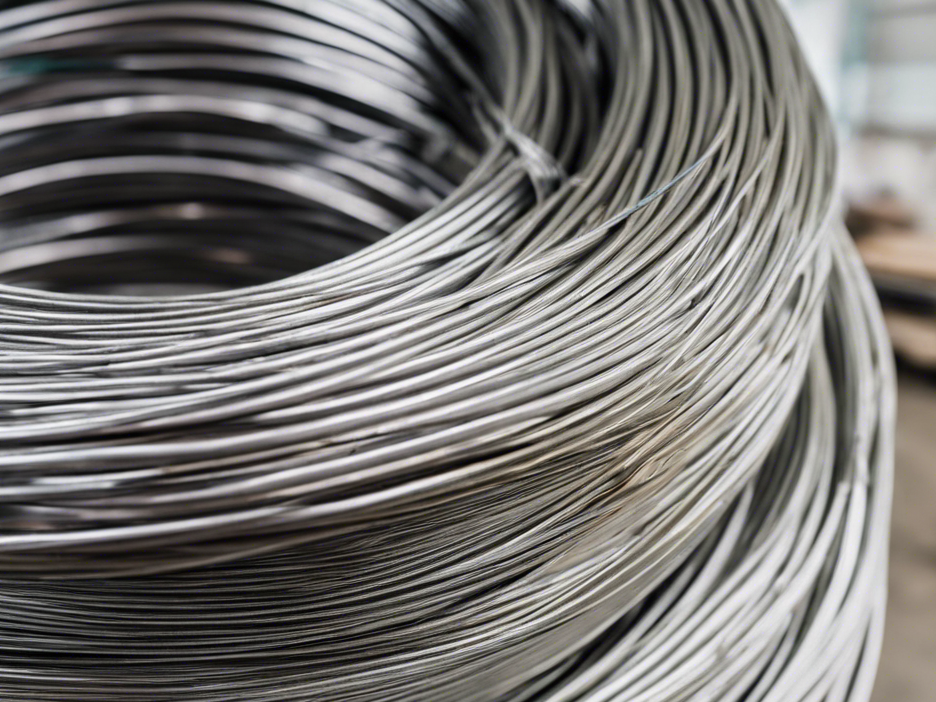
Wire
High-quality wires for numerous applications – flexible, durable, and available in various thicknesses.
Ring
We supply rings made of high-quality material, ideal for industrial and technical applications.

Treasure Box
Our treasure chest features remaining stock – high-quality materials with non-standard dimensions at fixed prices. These items are only available while supplies last and cannot be reordered.