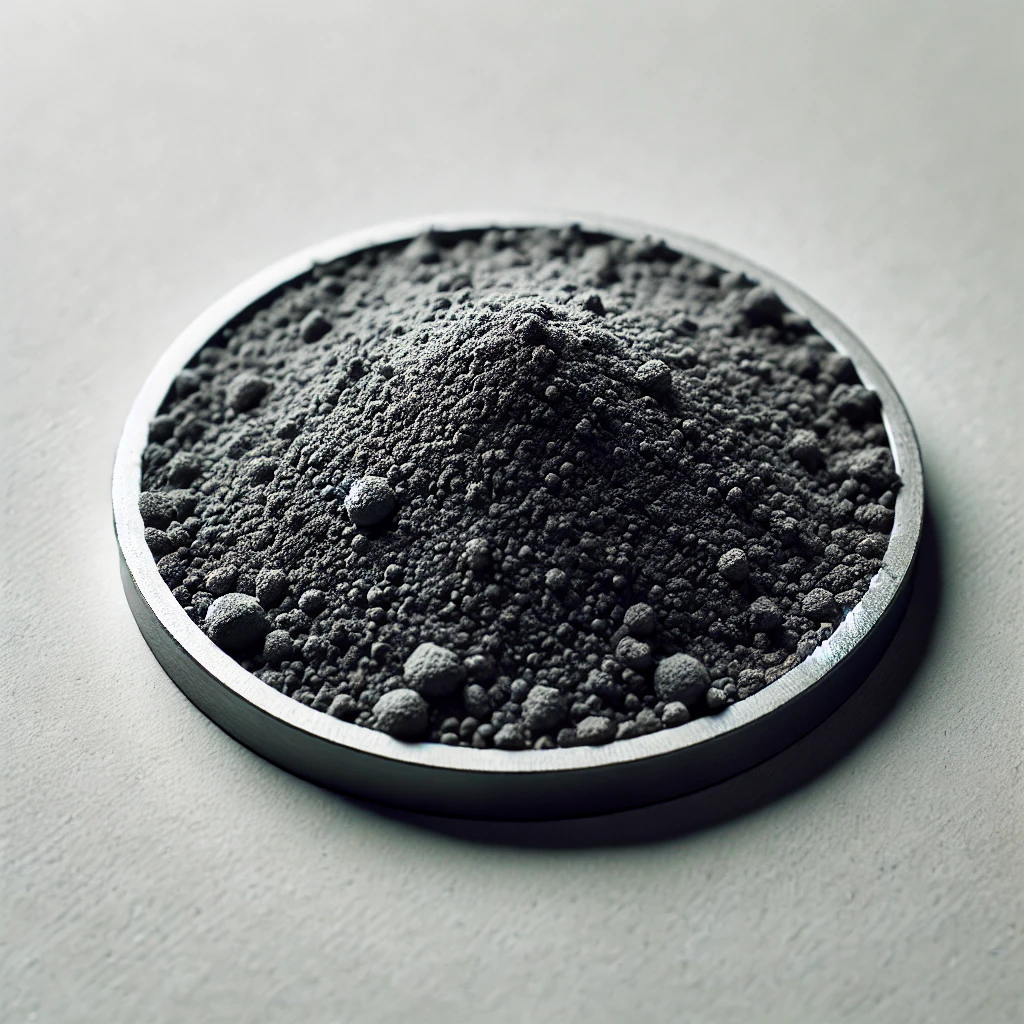
Tantalum
Tantalum is a chemical element that belongs to the group of transition metals. It has the element symbol Ta and the atomic number 73.
Physical Properties: Tantalum is a hard, ductile, and corrosion-resistant metal. It has a high melting point of about 3,017 degrees Celsius and a low coefficient of thermal expansion. It is also a good electrical conductor.
Chemical Properties: Tantalum is a relatively unreactive metal and only slowly reacts with oxygen under normal conditions. It is resistant to many acids, including hydrochloric acid and sulfuric acid. Tantalum also forms a protective layer of tantalum oxide on its surface, further enhancing its corrosion resistance.
Density and Weight: Tantalum has a high density of about 16.6 grams per cubic centimeter, making it one of the densest metals. It is also relatively heavy, weighing about 16.6 grams per mole.
Use: Due to its excellent heat resistance, corrosion resistance, and mechanical strength, tantalum is used in many applications. It is commonly used in the electronics industry for capacitors and resistors. Tantalum is also used in medicine, the aerospace sector, and the chemical industry.
Availability and Extraction: Tantalum is a rare element and occurs only in relatively small quantities in the Earth's crust. The largest deposits are found in Africa, particularly in the Democratic Republic of the Congo. Tantalum is extracted through mining methods such as the extraction of tantalum ores, followed by various chemical processes to purify and refine it.
Our products made of Tantalum

Plate
Our plates stand out for their versatility and durability. Available in various thicknesses and custom-cut upon request.

Sheet Metal
Discover our selection of sheets, available in a variety of sizes. Further custom cuts are available upon request

Foil
Our foils are available in various thicknesses and widths, providing optimal solutions for specific requirements.
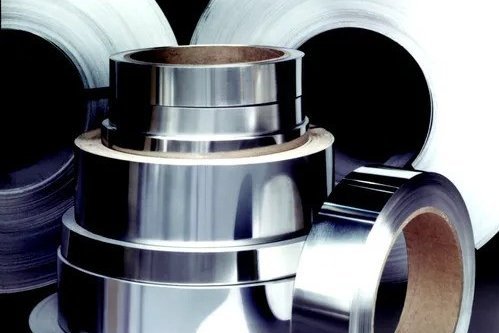
Coil
Discover our range of coils available in various widths and materials. Perfect for a variety of industrial applications, tailored to your needs.
Round Bars
Our round bars are available in various diameters and are ideal for precise machining in industry and craftsmanship.
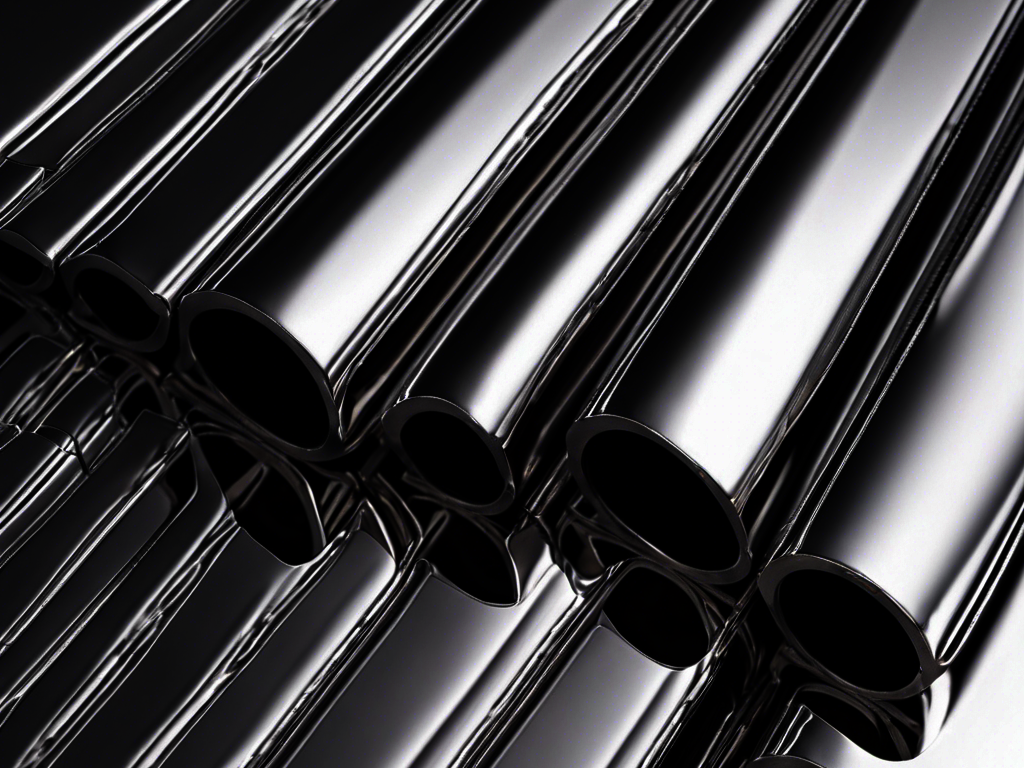
Pipes
We offer high-quality pipes for various applications, available in different sizes and materials. Custom-made options available on request.
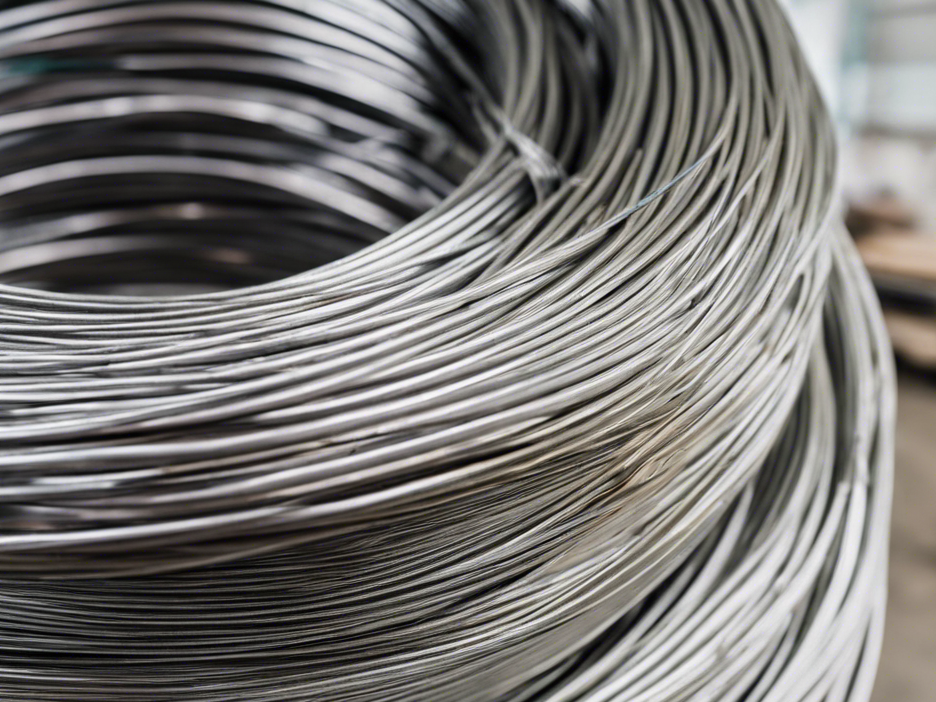
Wire
High-quality wires for numerous applications – flexible, durable, and available in various thicknesses.
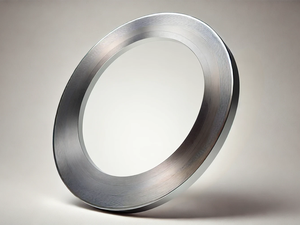
Ring
We supply rings made of high-quality material, ideal for industrial and technical applications.

Treasure Box
Our treasure chest features remaining stock – high-quality materials with non-standard dimensions at fixed prices. These items are only available while supplies last and cannot be reordered.